How Scrap Car Removal Services Make Vehicle Disposal Easier
Introduction
An unwanted car can occupy a driveway, leak fluids, or become costly to repair. Disposal often involves more than arranging a tow; owners may need to compare quotes, clear personal belongings, and confirm paperwork. A scrap removal service can combine collection with a clear handover process. With a few checks completed beforehand, sellers can avoid delays, understand the vehicle’s value, and make informed decisions about where an old, damaged, or non-running car goes next.
Compare Collection Options
An owner can compare collection options by checking accepted vehicle types, quote details, pickup coverage, and payment timing. For example, Scrap Car Removal in Auckland may be considered alongside the vehicle’s condition, location, and any access limits. The provider’s page describes free collection and requests basic vehicle details, giving sellers clear points to confirm before arranging a handover.
Gather Vehicle Details
Before requesting collection, an owner should note the registration, make, model, year, and current location. A short description of damage, missing parts, or non-running status helps a provider assess the job. Clear photographs can show exterior condition and access around the car. Accurate details reduce follow-up questions and make it easier to compare offers on similar terms. The odometer reading may also help identify the exact model.
Request a Written Quote
A written quote helps clarify what the offer covers. Sellers can ask whether the amount depends on the vehicle’s condition, parts, or location. They should also check whether collection is included and whether any fees could apply. Comparing two or three offers can reveal differences in value and service. A clear answer in writing gives both parties a useful reference before pickup is booked.
Confirm Pickup Logistics
Collection arrangements should account for the car’s position, access, and condition. A narrow driveway, locked garage, or unsealed surface may affect how a truck reaches the vehicle. The owner should describe any obstruction when booking and agree on a suitable time window. If the car is not roadworthy, it should remain parked until collection. Clear instructions help prevent avoidable delays on the day.
Check Required Paperwork
Ownership and transfer requirements can vary, so sellers should confirm current rules with the relevant New Zealand authority. They can prepare registration details and identification, then ask the collector which documents are needed. Any sale or transfer record should show the parties, date, and agreed amount. Keeping a copy supports clear records after the car leaves. Personal information should be removed from documents or items left inside the vehicle.
Prepare the Car
Before collection, the owner should remove personal belongings from the cabin, boot, and storage pockets. Cards, garage remotes, tools, and child seats are easy to overlook. Number plates may need handling under local rules, so their status should be checked in advance. Loose rubbish can be cleared, but draining fluids or dismantling parts is best left to trained workers. This keeps preparation simple and helps avoid safety risks.
Ask About Reuse and Recycling
A scrap car may contain parts that remain useful, including mirrors, lights, wheels, or mechanical components. Reuse can reduce the amount sent for disposal and provide affordable replacement parts for other motorists. Sellers can ask how usable items are assessed and what happens to fluids, batteries, and remaining materials. A straightforward explanation helps owners judge whether the service handles dismantling and recycling responsibly.
Check the Provider
A reliable operator should explain accepted vehicles, service areas, quote terms, and collection arrangements clearly. Sellers can review contact details, read recent customer feedback, and ask questions before agreeing to a handover. The website’s stated services are useful starting points, but final terms should be confirmed directly. Clear communication helps prevent confusion about timing, payment, or charges. A seller should avoid rushing into an offer that remains unclear.
Confirm Payment and Handover
Before the vehicle is loaded, both parties should confirm the agreed amount and payment method. The seller can check that payment has arrived before handing over keys or signing a transfer record. Any change to the original quote should be explained and accepted first. Once collection is complete, retaining the paperwork and confirmation messages provides a simple record of the transaction.
Conclusion
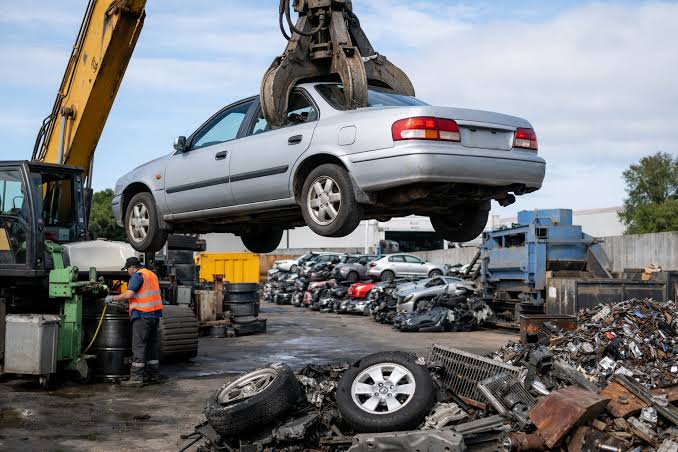
Scrap car removal can simplify disposal by joining valuation, transport, and handover in one process. Sellers still benefit from checking the quote, preparing accurate vehicle details, confirming paperwork, and asking how collection works. A little preparation can prevent avoidable delays and make the final transfer clearer. With the right questions answered beforehand, an unwanted car can leave the property safely, while useful parts and materials may be directed toward reuse or recycling.