Introduction
Regular access to transport can shape how confidently seniors manage daily life. A suitable trip may lead to a medical appointment, grocery visit, social gathering, or family lunch. Reliable assistance reduces dependence on relatives and helps older adults keep familiar routines. It can also support safer movement for people with limited mobility. With clear planning, practical guidance, and respectful care, each outing can protect personal choice while keeping important connections close.
Why Mobility Matters
Mobility affects health, confidence, and social contact. Missed appointments can delay treatment, while isolation may reduce mood and motivation. A dependable travel arrangement gives seniors more control over weekly plans. It also helps relatives feel reassured without becoming the sole source of every lift. Small improvements, such as reaching a shop independently, can strengthen confidence over time.
Practical Help for Daily Travel
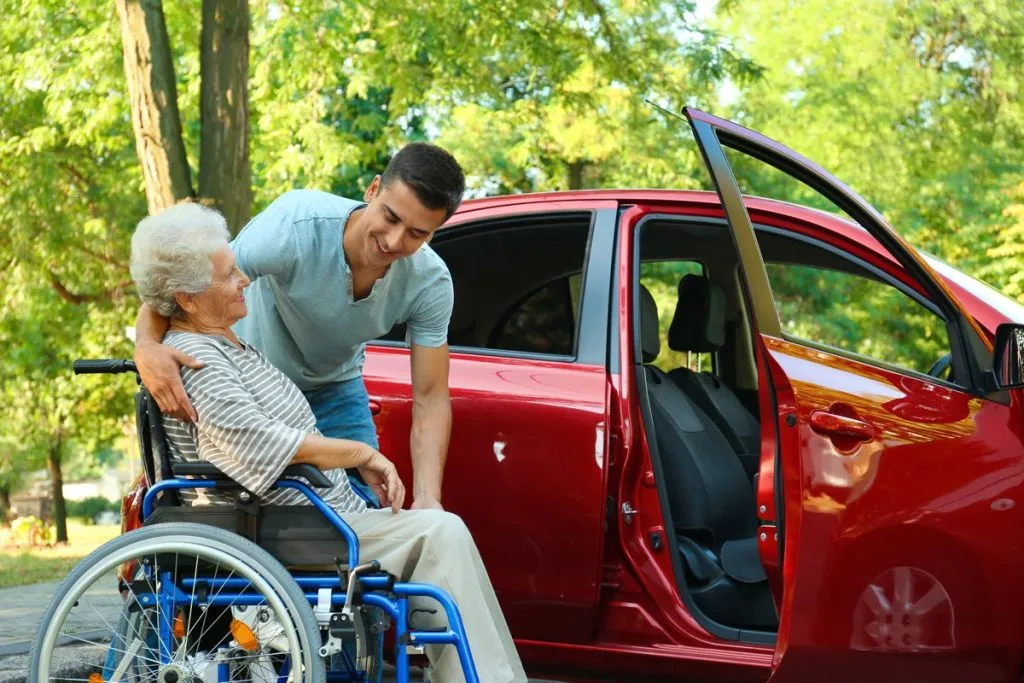
For seniors, aged care transport assistance can cover trips that support health, household needs, and social contact. A trained worker may assist with vehicle access, seatbelts, route planning, and arrival at the destination. This approach keeps the older person involved in each decision. It also creates a dependable option when family members, neighbours, or public services cannot provide a suitable ride.
Reaching Medical Appointments
Health visits often require punctual arrival and enough time for check-in. Assisted travel can help seniors leave home, carry necessary items, and reach reception without unnecessary strain. The worker may provide return support after treatment, subject to the agreed service. Keeping an appointment calendar near the phone can help everyone confirm dates, departure times, and clinic locations.
Maintaining Community Connections
Social contact can protect emotional wellbeing and reduce feelings of isolation. Transport may help seniors attend clubs, faith gatherings, community events, or visits with friends. Regular outings provide structure beyond medical needs. A familiar worker can also help a person feel more comfortable during the trip. This support encourages participation without removing the senior’s right to choose where to go.
Managing Shopping and Errands
Grocery shopping, banking, and pharmacy visits are essential tasks. Limited balance, poor vision, or fatigue can make these activities harder without assistance. A planned outing may include help entering a vehicle, carrying light bags, and finding the correct location. Seniors can remain active in household decisions, while practical support reduces avoidable risks during busy errands.
Supporting Personal Choice
Independence does not mean completing every task alone. It means having a genuine say in daily decisions and receiving help without losing dignity. Seniors should be able to discuss preferred routes, pickup times, destinations, and communication needs. Staff who listen carefully can provide assistance at the right level. This respectful approach supports confidence instead of creating unnecessary dependence.
Planning for Safety
A safe arrangement begins with accurate information. The provider should know about mobility aids, balance concerns, medication schedules, and emergency contacts. Seniors can prepare comfortable clothing, essential documents, water, and a charged phone before departure. Clear instructions help avoid rushed movement. Families should also confirm vehicle access, insurance details, cancellation rules, and the process for reporting delays.
Funding and Service Options
Costs may vary according to distance, vehicle type, time, and assistance required. Some seniors may access help through a Home Care Package, local council programme, concession scheme, or other funding arrangement. Eligibility rules differ, so families should confirm available benefits before booking. A written quote can list inclusions, hourly charges, waiting periods, and any out-of-pocket amount.
Measuring the Benefits
Families can review results after several weeks. Useful measures include attended appointments, completed errands, social visits, and reported confidence. Fewer missed activities may show that the arrangement is working well. Seniors should also be asked whether the schedule feels comfortable. Feedback can guide changes to pickup times, destinations, worker preferences, and the level of physical help provided.
Conclusion
A reliable travel plan can help seniors remain active, connected, and involved in personal decisions. Assistance with appointments, shopping, recreation, and family visits may reduce stress while preserving familiar routines. Good planning includes safety checks, clear costs, suitable funding, and regular feedback. The strongest arrangements give older adults practical help without taking away control. With dependable access to essential destinations, seniors can continue making choices that support health, dignity, and independence.