The Benefits of Choosing Experienced Ford Wreckers for Quality Parts
Introduction
Used parts can keep a vehicle on the road without the cost of a new component. Yet quality depends on more than a low price. Experienced dismantlers know how to identify compatible stock, assess wear, and explain its history. Their process can reduce costly guesswork for owners and repairers. By checking testing practices, documentation, and vehicle coverage, buyers can make better decisions and choose parts that suit the job with greater confidence and fewer surprises.
Match Parts to the Vehicle
Ford models share a badge, but components can vary by year, trim, engine, and production run. Buyers comparing ford wreckers in Perth should have the vehicle identification number, model year, and engine details ready. An experienced dismantler can use that information to narrow the search, then check the part number or physical fit. This process matters for engines, transmissions, body panels, and electrical items.
Ask How Parts Are Tested
A useful supplier can explain what happens before a component is offered for sale. Buyers should ask whether staff inspect it for visible damage, test its operation, and record any faults. Testing methods depend on the part: an alternator may need an electrical check, while a door requires inspection of its hinges and window mechanism. Clear answers help distinguish assessed stock from unverified items.
Read Condition Descriptions Carefully
Terms such as “used” or “good condition” can mean different things between sellers. A specific description should identify wear, damage, missing fittings, or known faults. Photos can help confirm appearance, but they cannot prove that a mechanical item works. For costly components, buyers can ask for test results or an inspection before purchase. Accurate condition notes set realistic expectations and reduce disputes after delivery.
Compare the Full Cost
A low part price may not represent the best value once transport, fitting, and possible modifications are included. Buyers can compare the total expense against a new component or a refurbished alternative. Availability also matters: a local dismantler may reduce delivery delays for large items. The service page linked above states that payouts for a seller’s vehicle can reach $10,000, but that figure is not a parts-price guide.
Confirm Returns and Warranty Terms
Before payment, buyers should ask what protection applies if a component fails or proves incompatible. Written terms should explain the return period, required proof of purchase, and whether labour costs are excluded. Some electrical or custom-fitted items may have different conditions. Keeping the invoice and confirming terms in writing gives both parties a clear record. A verbal assurance alone can be difficult to rely on later.
Check Responsible Dismantling
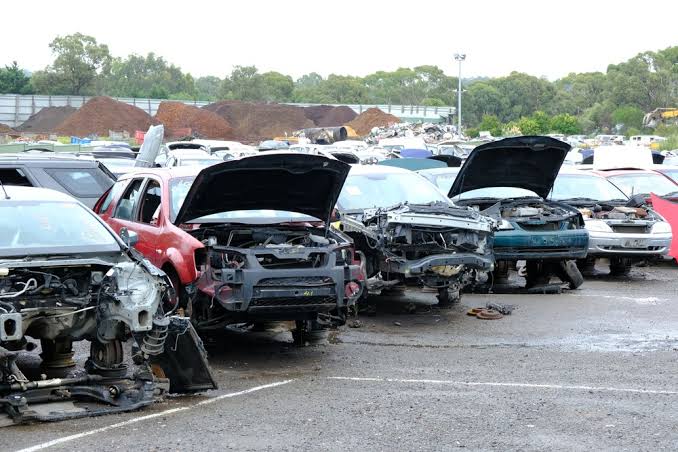
Experienced operators follow safe procedures when removing parts, fluids, batteries, and other materials. That care can protect reusable components from avoidable damage and support responsible vehicle disposal. The linked service page reports that around 95% of each collected vehicle is repurposed. Buyers should treat this as the operator’s stated figure, then ask how parts are stored and whether removed fluids are handled safely.
Look for Model-Specific Experience
A dismantler familiar with Ford vehicles may know which variants share components and where differences matter. That knowledge can help with older models, discontinued trim levels, and vehicles with limited local stock. Buyers should provide the exact model and build details rather than relying on a broad name such as “Ranger” or “Falcon.” Confirming the match before collection can prevent an unnecessary return trip.
Prepare Details Before Ordering
A few facts can make an enquiry more efficient. Owners should note the model, year, engine size, transmission type, and part required. A clear photo of the existing component can help identify connectors, mounting points, or visible damage. For a replacement panel, paint code and body style may also matter. Sharing accurate information early helps the supplier check availability and provide a more useful quote.
Keep Installation Records
Correct fitting is part of a successful repair. Buyers can ask whether a component needs specialist installation, coding, or supporting hardware. A qualified mechanic can check compatibility before work begins, especially for brakes, steering, or engine systems. The invoice, test notes, and installation details should be kept together. These records can help with troubleshooting and any later warranty discussion.
Conclusion
Experienced Ford wreckers can help buyers source usable components with less uncertainty. Clear fitment checks, honest condition notes, tested stock, and written return terms all matter. Owners should compare the full cost, ask how a component was assessed, and keep installation records. A careful supplier can make reuse a practical option, especially when a matching item is scarce or a new replacement costs more. These checks support safer repairs and better value over time.